Coastal STEM Careers: A Gulf Coast Field Trip Where Students Meet the People Who Do the Science
Sooner or later, a student in your science class asks what anyone does with this for a living. It's a great question to hear, because that student is already picturing a future in the subject.
You want to give them a real answer. A career gets easier to picture once a student has watched someone do it: the tanks, the tools, and the questions that person is trying to answer.
STEM field trips on the Gulf Coast can give your middle and high school students that view. Along Alabama's coast, a field trip can introduce your class to oyster farmers and naturalists and take them inside the hatchery where state scientists raise fish.
Here's who your students can meet, where they can go, and what each stop shows them about the work.
Oyster Farmers Show How Science Becomes a Business
“Students learn how oysters support marine life, improve water quality, and contribute to coastal communities.”
The Oyster Farming experience from Gulf Coast Explorers introduces students to local oyster farmers. Students learn how oysters support marine life, improve water quality, and contribute to coastal communities. They also see how farmers grow an important Gulf Coast seafood while helping the ecosystem around them.
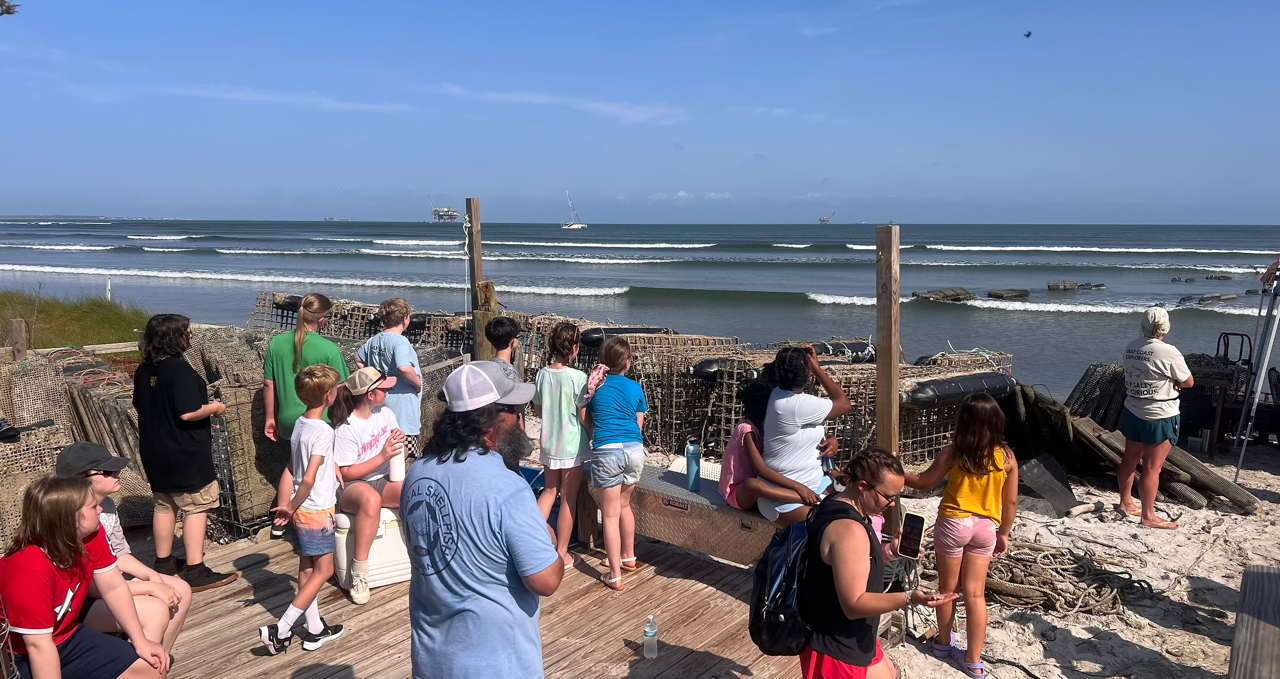
Alabama's oyster farms raise oysters off the bottom, using methods such as adjustable long-line and floating cage systems, according to the Alabama Cooperative Extension System. Its 2024 industry update lists thirteen commercial oyster farms that reported harvests in the state, along with two commercial hatcheries and two commercial nurseries.
For your students, a farm visit shows ecosystem science as part of someone's livelihood.
Hatchery Scientists Raise Fish for Alabama's Waters
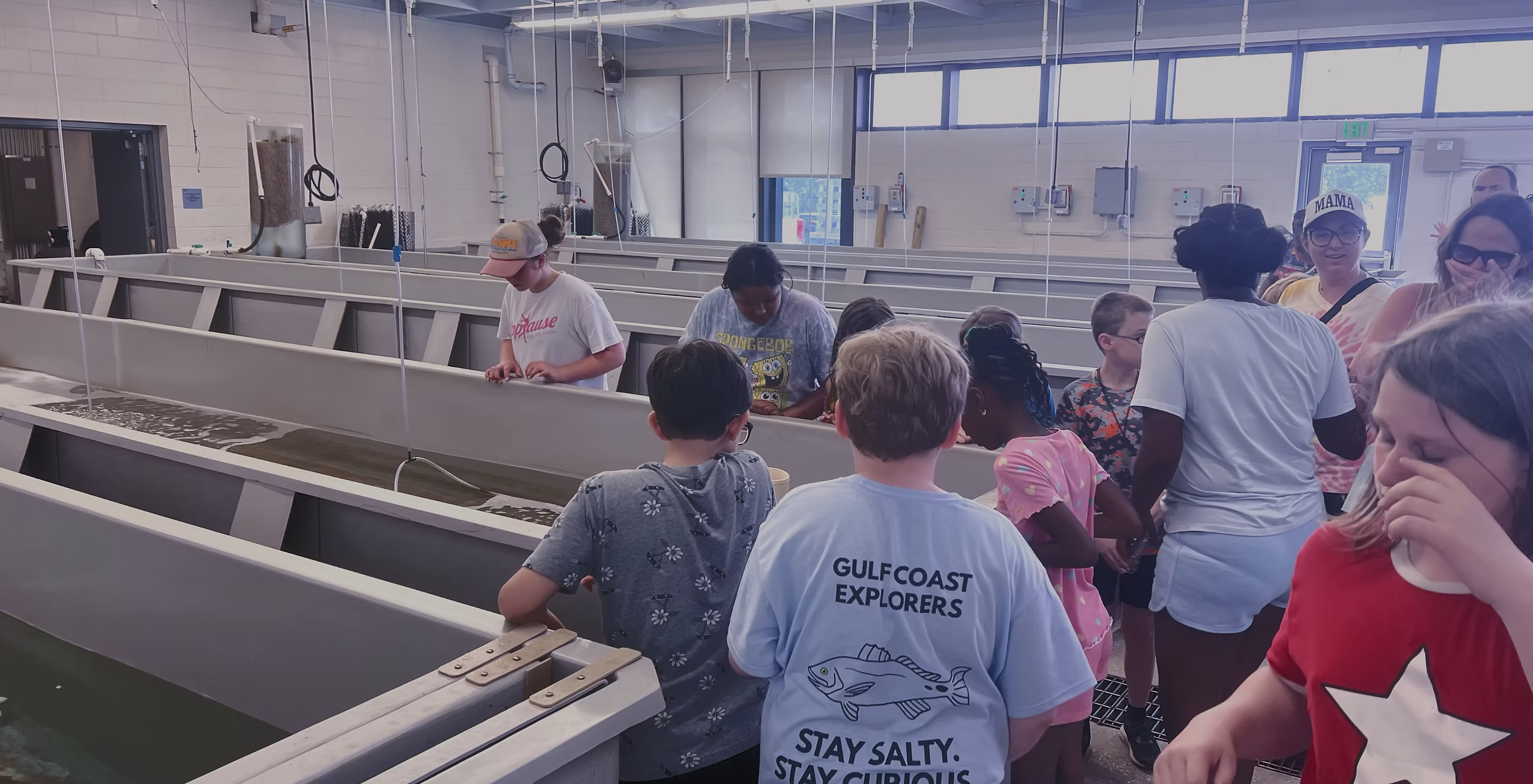
At the Claude Peteet Mariculture Center, Gulf Coast Explorers takes students behind the scenes at Alabama's saltwater hatchery. Scientists there work to protect and restore coastal fisheries.
The Alabama Marine Resources Division maintains the center in Gulf Shores. Its 23,000-square-foot hatchery has areas for spawning parent fish, growing algae and live food, incubating eggs, and rearing young fish. The center raises spotted seatrout, Florida pompano, and southern flounder, three species popular with Alabama saltwater anglers.
The work runs on a biological clock. Eggs hatch within 36 to 48 hours, and larval fish in the tank system get care around the clock. The young fish eat live food (rotifers first, then brine shrimp) for about their first two weeks. Once the fish reach one to two inches and a sample passes a disease inspection, they go out into coastal Alabama waters.
In recent years, the federal Sport Fish Restoration Program and fishing license purchases have funded the center's operations. Any student whose family fishes has a personal connection to that work.
Conservation Work Happens Where Your Students Explore
At the Gulf State Park Nature Center, students meet expert naturalists and see live animals up close in an interactive presentation. The park calls the center a living museum of plants and animals native to the Gulf Coast. Its animal ambassadors include owls, turtles, alligators, and snakes. Naturalists there blend science with teaching, which shows students a career built around people as much as animals.
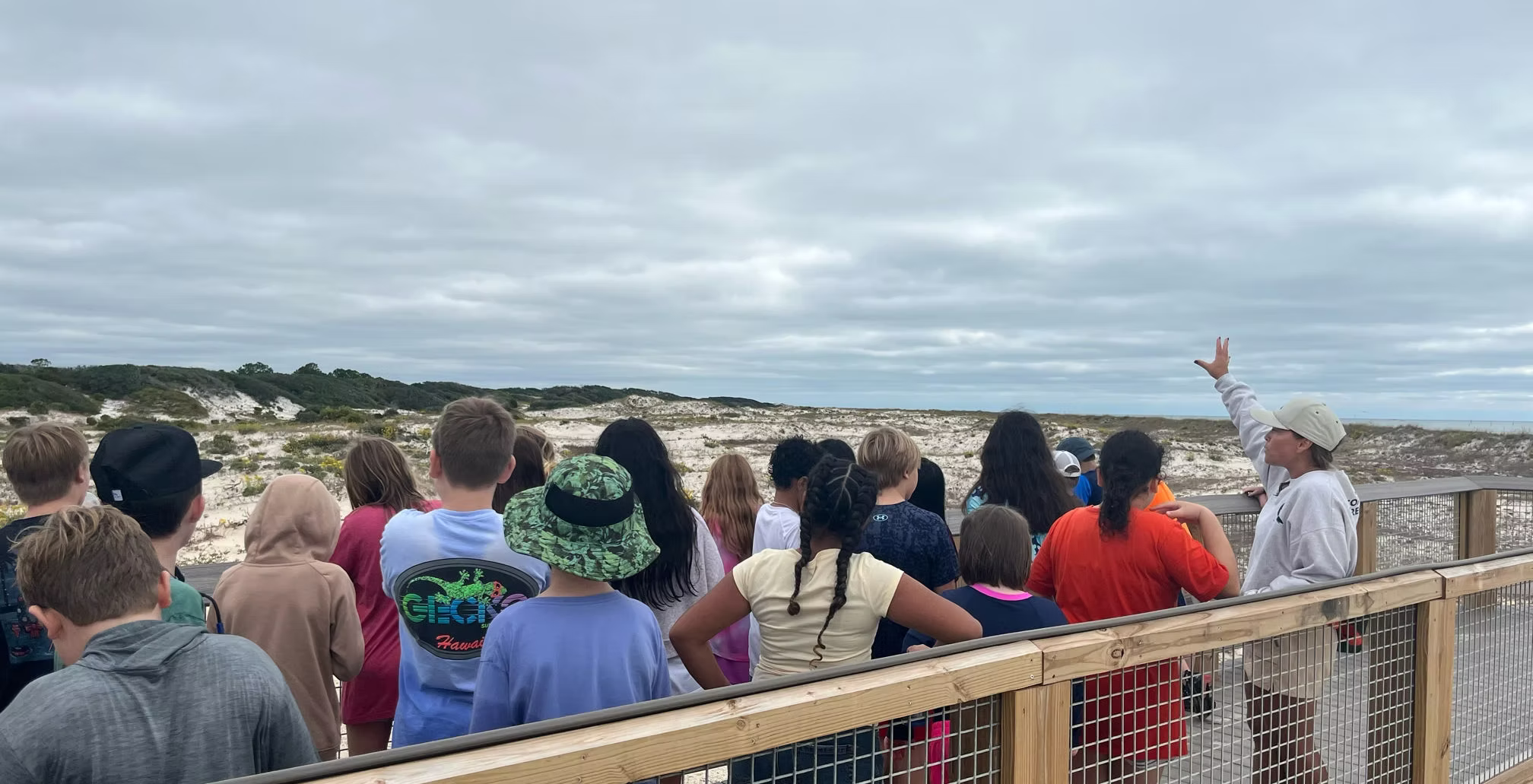
Gulf Coast Explorers also takes groups to Bon Secour National Wildlife Refuge. According to the U.S. Fish and Wildlife Service, the refuge protects some of Alabama's last remaining undisturbed coastal barrier habitat. Congress established it in 1980 to protect habitat for migratory songbirds and for threatened and endangered species. Those species include green, loggerhead, and Kemp's ridley sea turtles and the Alabama beach mouse.
Throughout the year, refuge staff run wildlife and vegetation surveys, prescribed burns, and invasive plant control across roughly 7,000 acres. Your students explore the same dunes and coastal habitats that work protects.
The Coastal Conservation & Sustainability experience from Gulf Coast Explorers adds another view of this work. Students learn how people restore, protect, and sustain Alabama's coastal ecosystems.
Plan the Trip Around the People
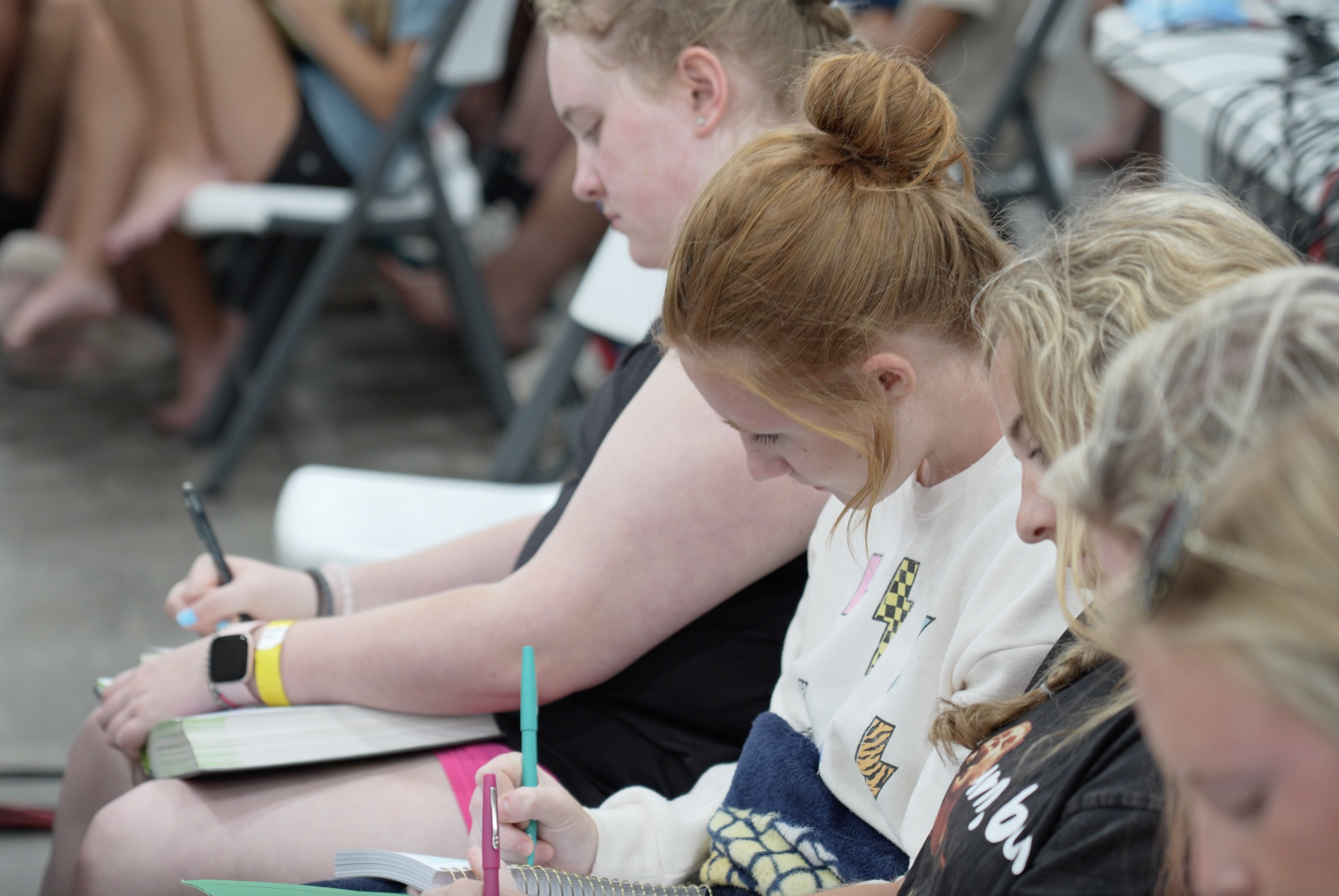
Gulf Coast Explorers provides every educational experience on the trip, and they customize every trip to fit your grade level, learning goals, and schedule. Tell them careers are one of your goals. They can combine experiences into half-day or full-day trips, and their overnight field trips run three days/two nights or four days/three nights. Your students might bring one question for each person they'll meet, such as how that person got the job or what a normal week looks like.
Your Group's Home Base on the Coast
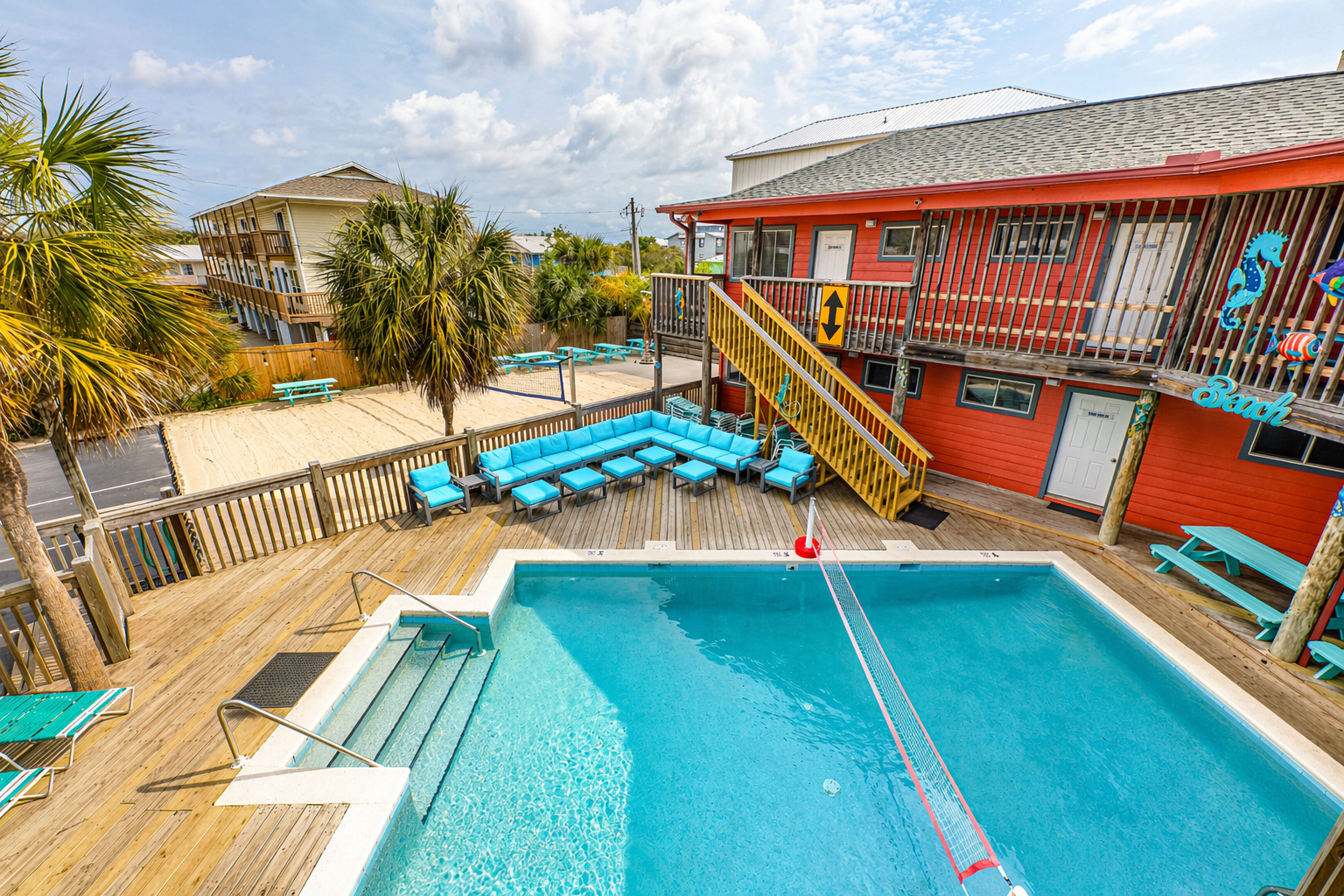
“Your side has its own private pool, and the retreat has sand volleyball and basketball courts and direct access to the public beach boardwalk.”
Your side has its own private pool, and the retreat has sand volleyball and basketball courts and direct access to the public beach boardwalk.
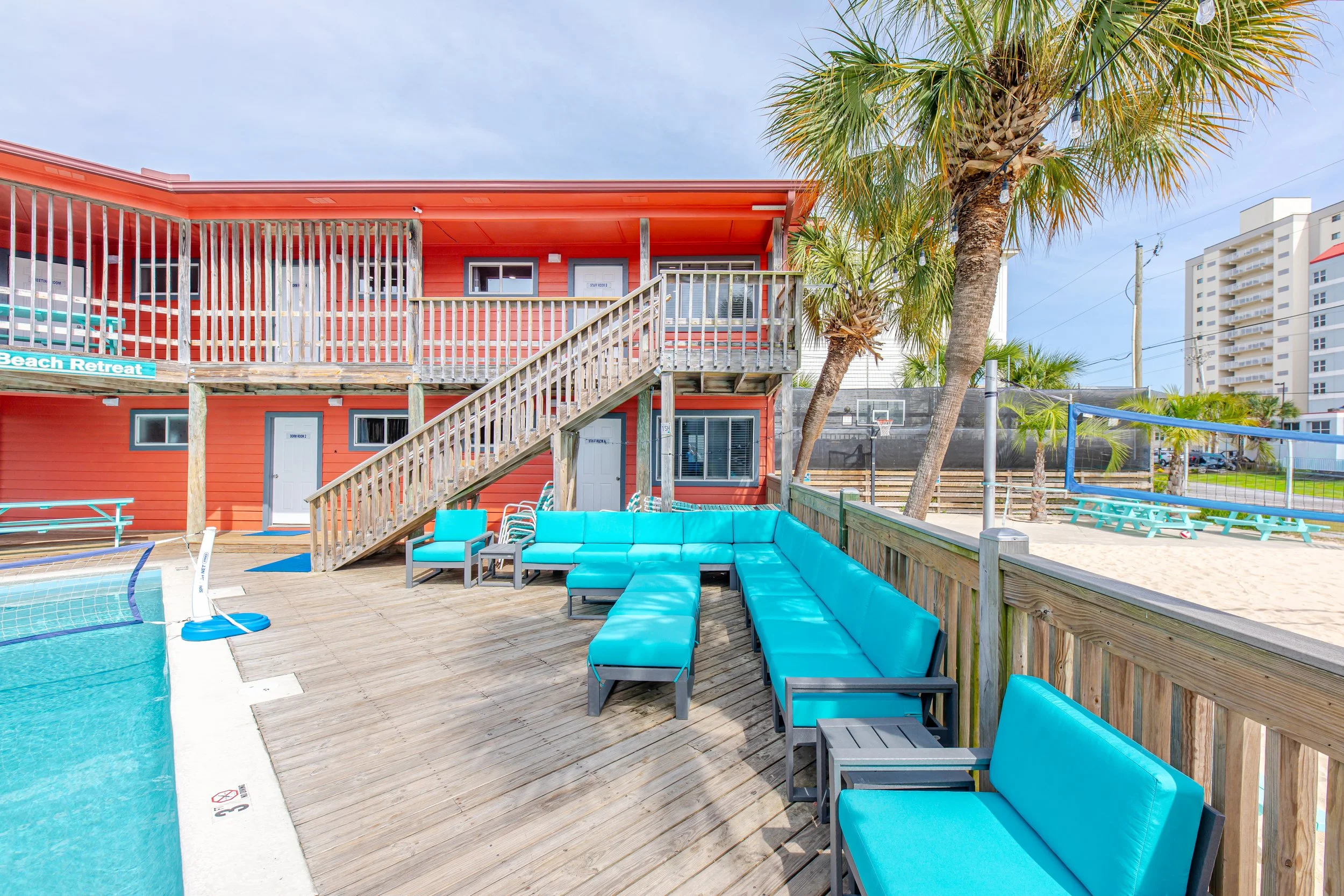
When your trip includes overnight stays, we'll host your group at Gulf Shores Beach Retreat. You get one entire side of the resort, with bunk-style rooms for students and chaperones. Your side has its own private pool, and the retreat has sand volleyball and basketball courts and direct access to the public beach boardwalk.
Evenings are a good time for students to talk over the people they met that day. Your class came to study the coast, and they head home having met the people who do that work for a living. Some of them may start picturing themselves doing it too.
Visit the Gulf Coast Explorers website to plan your educational trip!