
Alabama Field Trip Ideas: Educational Destinations Worth the Bus Ride
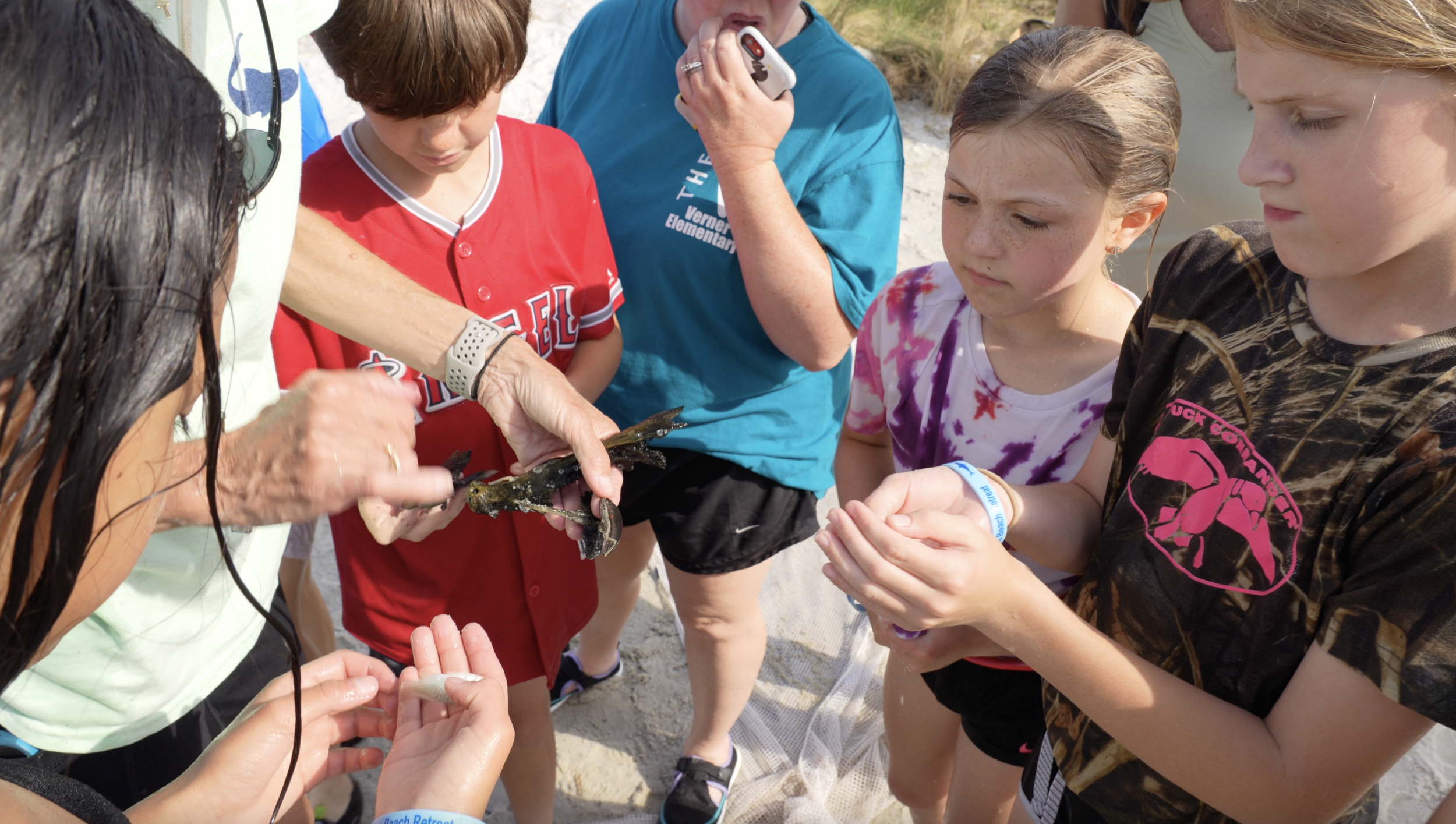
You want your students out of the classroom and into experiences they'll actually remember. The challenge is finding a destination that delivers real learning, keeps your group safe, and doesn't blow your budget. If you're an Alabama teacher or field trip coordinator looking for hands-on experiences that go beyond a worksheet, the Gulf Coast has more to offer than you might think.
Here's a look at some of the best educational destinations in and around Gulf Shores, plus practical tips for making the logistics work no matter where your school is located in the state.
Marine Science: Learning That Gets Students' Hands Dirty
We've partnered with Gulf Coast Explorers to bring K-12 school groups the best marine science and Alabama history education on the Gulf Coast. If you've done educational field trips with us in the past, here's what's new: all educational programming is now handled by Gulf Coast Explorers. They're a team of educators who design every program around Alabama State Standards and Next Generation Science Standards, and they bring a level of expertise that takes our field trip experience to the next level.
Here's how it works: you book your exclusive group lodging with us at Gulf Shores Beach Retreat, and you book your educational programming directly through Gulf Coast Explorers. Your group stays at our retreat, right across from the Gulf of Mexico, while Gulf Coast Explorers handles the learning.
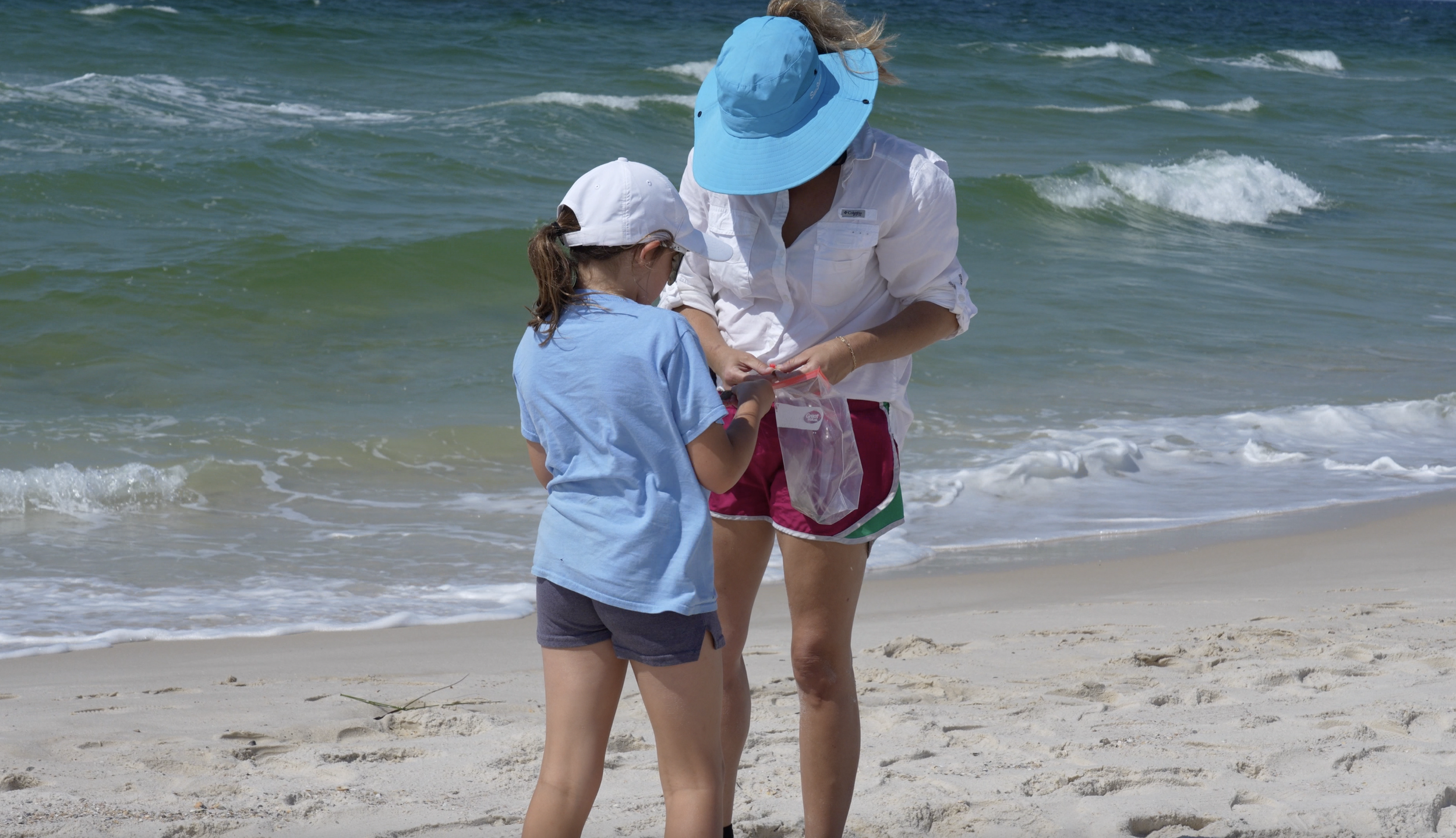
What makes their programs stand out is the variety. They offer more than a dozen hands-on explorations that teachers can mix and match based on grade level and learning goals, including:
Beachcomber's Lab and Sea Turtle Nest Demo for younger students getting their first taste of coastal science
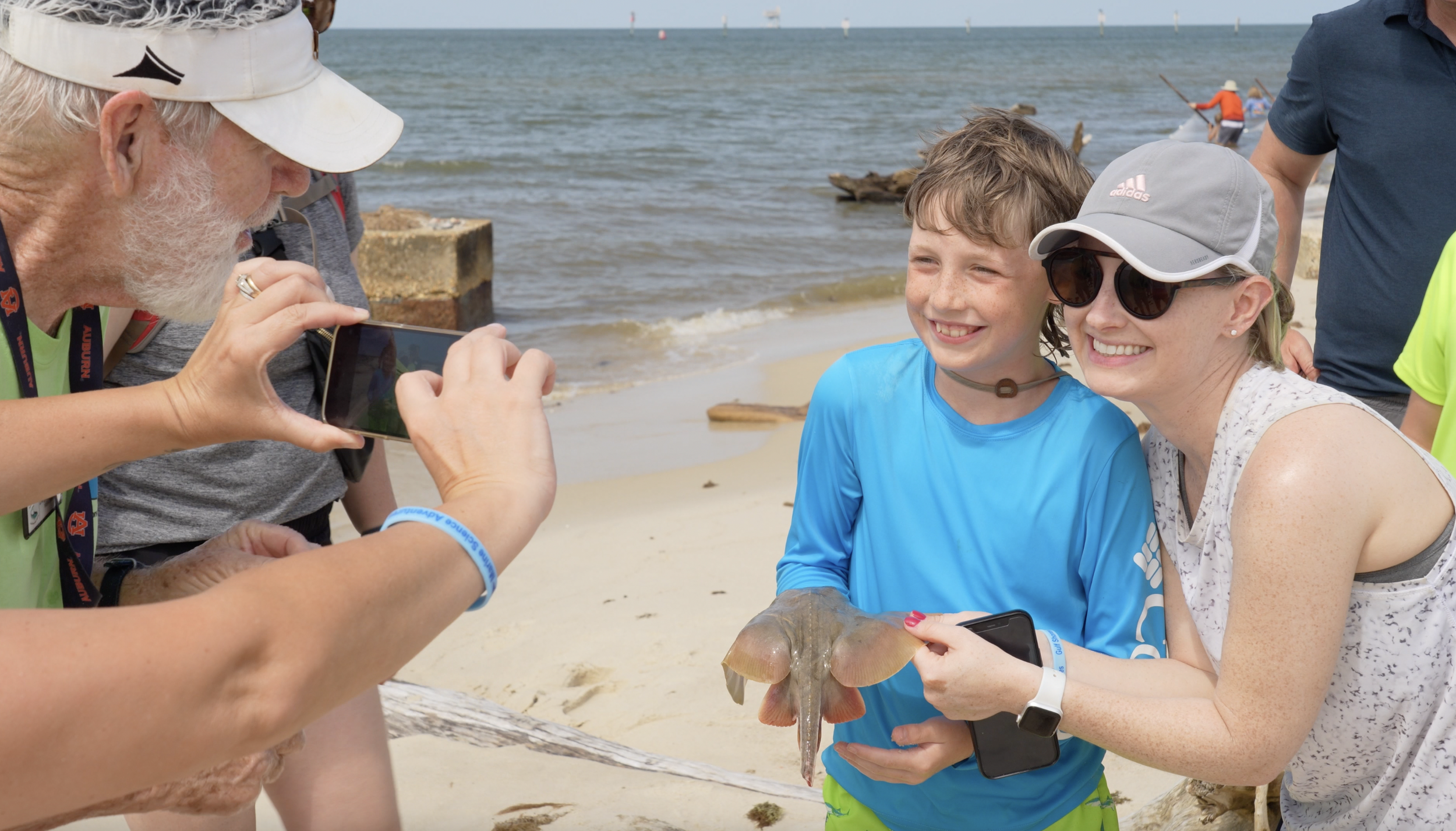
Lagoon Specimen Collection using seine nets and Waves & Currents experiments for middle schoolers ready to dig deeper
Mariculture in Action at the Claude Peteet Mariculture Center and Marsh Mysteries at Bon Secour for high school students studying ecosystems and conservation
Dolphin Cruises and Snake & Reptile Encounters that engage every age group
GPS Exploration, Sandcastle University, and Coastal Conservation & Restoration activities that blend STEM learning with outdoor fun
The programs aren't limited to science, either. Gulf Coast Explorers also offers Alabama history field trips that bring the past to life at sites like Fort Morgan and Fort Gaines on Dauphin Island.
Gulf State Park: Nine Ecosystems in One Location
“The park spans over 6,000 acres and features nine distinct ecosystems, including dunes, freshwater lakes, marshes, forests, and two miles of white sand beach on the Gulf.”
Gulf State Park is another strong option for Alabama school groups, especially if your curriculum focuses on ecology and environmental science. The park spans over 6,000 acres and features nine distinct ecosystems, including dunes, freshwater lakes, marshes, forests, and two miles of white sand beach on the Gulf.
The park's Learning Campus offers field trip programs led by trained naturalists, with curriculum aligned to state standards. Programs vary by age group. Younger students can explore through sensory-based activities, while older students study coastal habitats, aquatic life, and sea turtle conservation. The park also has an Interpretive Center, Nature Center, and miles of trails accessible by foot or bike.
Alabama Gulf Coast Zoo: Conservation Up Close
The Alabama Gulf Coast Zoo in Gulf Shores is the first ZAA-accredited zoo built from the ground up in over 20 years. It's home to more than 100 species, including 22 endangered species. School groups have several options for structured learning:
Guided tours with educational programming
Animal encounters with lemurs, sloths, tortoises, or giraffes
Behind-the-scenes experiences with zookeepers
It's a strong complement to a marine science trip for groups that want to broaden their learning beyond coastal ecosystems.
Bon Secour National Wildlife Refuge: Alabama's Last Undisturbed Coastal Habitat
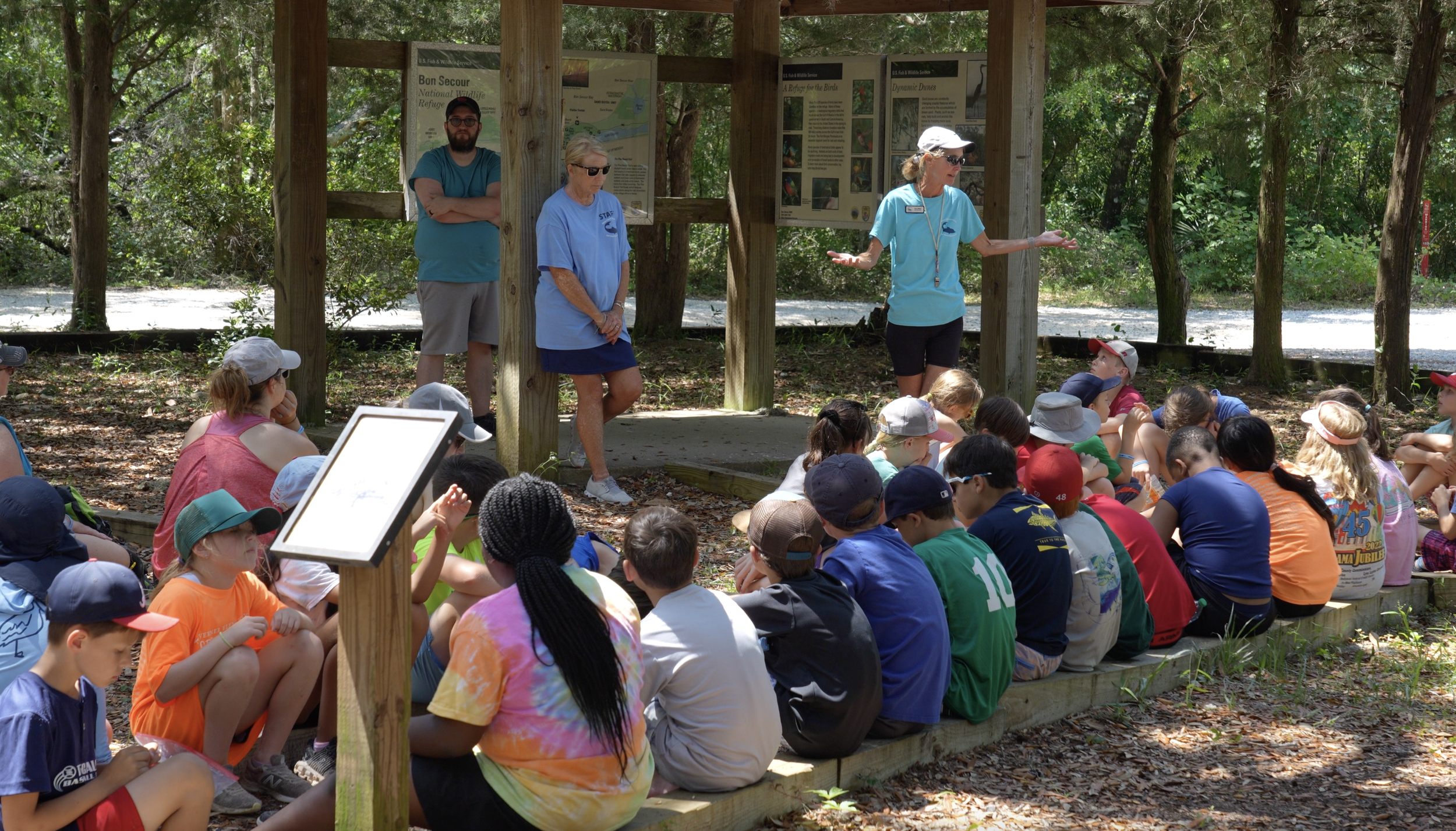
Bon Secour National Wildlife Refuge offers four nature trails and is one of the best spots on the Gulf Coast for birdwatching, wildlife photography, and hands-on ecology lessons. It's a particularly good fit for groups studying habitat conservation, migration patterns, and the relationship between land and sea environments.
Our education partner, Gulf Coast Explorers, includes Bon Secour in some of their field trip programs, so it's easy to work into an overnight trip itinerary.
Historical and Cultural Sites Worth the Detour
Alabama's Gulf Coast isn't just about science. The region has deep historical roots that work well for social studies and history curricula.
Fort Morgan State Historic Site sits at the tip of the Fort Morgan peninsula and played a critical role in the Civil War's Battle of Mobile Bay. Students can explore the fort's brick structures, visit the museum, and take guided tours. It's a powerful, physical connection to events most students have only read about in textbooks.
Fort Gaines on Dauphin Island offers a similar experience from the other side of Mobile Bay, with cannons, tunnels, and stories from the same battle. Visiting both forts gives students a fuller picture of the region's military history.
The Gulf Shores Museum and Orange Beach History Museum cover the culture and heritage of Alabama's coastal communities, including exhibits on hurricanes, Native American origins, and the area's fishing heritage.
For groups willing to make the drive into Mobile, GulfQuest National Maritime Museum and Battleship Memorial Park (home to the USS Alabama) offer interactive exhibits covering maritime history, shipbuilding, navigation, and military service spanning from World War II to Desert Storm.
Seasonal Considerations for Planning Your Trip
Timing matters when you're planning a Gulf Coast field trip. Here's what to keep in mind:
Fall (September through November) is one of the best windows for school trips. The summer crowds have thinned out, temperatures are comfortable for outdoor learning, and you'll catch the fall butterfly migration along the coast.
Spring (March through May) is peak field trip season for Alabama schools, and for good reason. The weather is warm but not too hot, sea turtle nesting season begins, and migratory bird activity picks up at Bon Secour. Book early, because spring dates fill fast.
Winter (December through February) offers lower rates and fewer crowds, which can work well for smaller groups or schools with flexible schedules. Outdoor programs still run, though some activities may shift depending on weather.
Summer works best for camps, homeschool groups, and extended learning programs rather than traditional school field trips. Temperatures are high, though early morning beach activities and indoor programs at places like the zoo or GulfQuest keep groups comfortable.
Transportation and Logistics from Alabama Schools
One of the biggest hurdles for any field trip is getting there. The good news is that Gulf Shores is more accessible from most Alabama schools than you might expect.
Schools in the southern half of the state, from Mobile, Montgomery, Dothan, and everywhere in between, are within a two- to four-hour drive. That makes day trips possible for closer schools and overnight trips practical for those a bit farther out. Schools in Birmingham and Tuscaloosa are looking at roughly four to five hours, which makes a strong case for a multi-day trip rather than trying to cram everything into a single day.
For overnight trips, lodging is often the trickiest part of the puzzle. Hotels scatter your group across hallways and floors. Condos put your students next to strangers. Neither option gives you the control you need when you're responsible for dozens of kids. That's where we come in.
Why School Groups Stay at Gulf Shores Beach Retreat
When you're planning a multi-day field trip, your lodging isn't just a place to sleep. It's part of the experience. At Gulf Shores Beach Retreat, we designed our facility around the needs of groups like yours, and everything about our setup makes your job as a trip coordinator easier.
Safety and exclusivity come first. Your group gets one entire side of our facility. No shared hallways with strangers, no neighbors to worry about, and no one around your students that you haven't accounted for. You have complete control over your group's environment, which means parents feel confident and you can breathe a little easier.
Bunk-style accommodations keep your group together. Everyone sleeps in the same space and wakes up together, ready for the day. There's no chasing kids between hotel rooms or wondering what's happening three floors up. Your group stays connected from morning to night, which is where the real bonding happens.
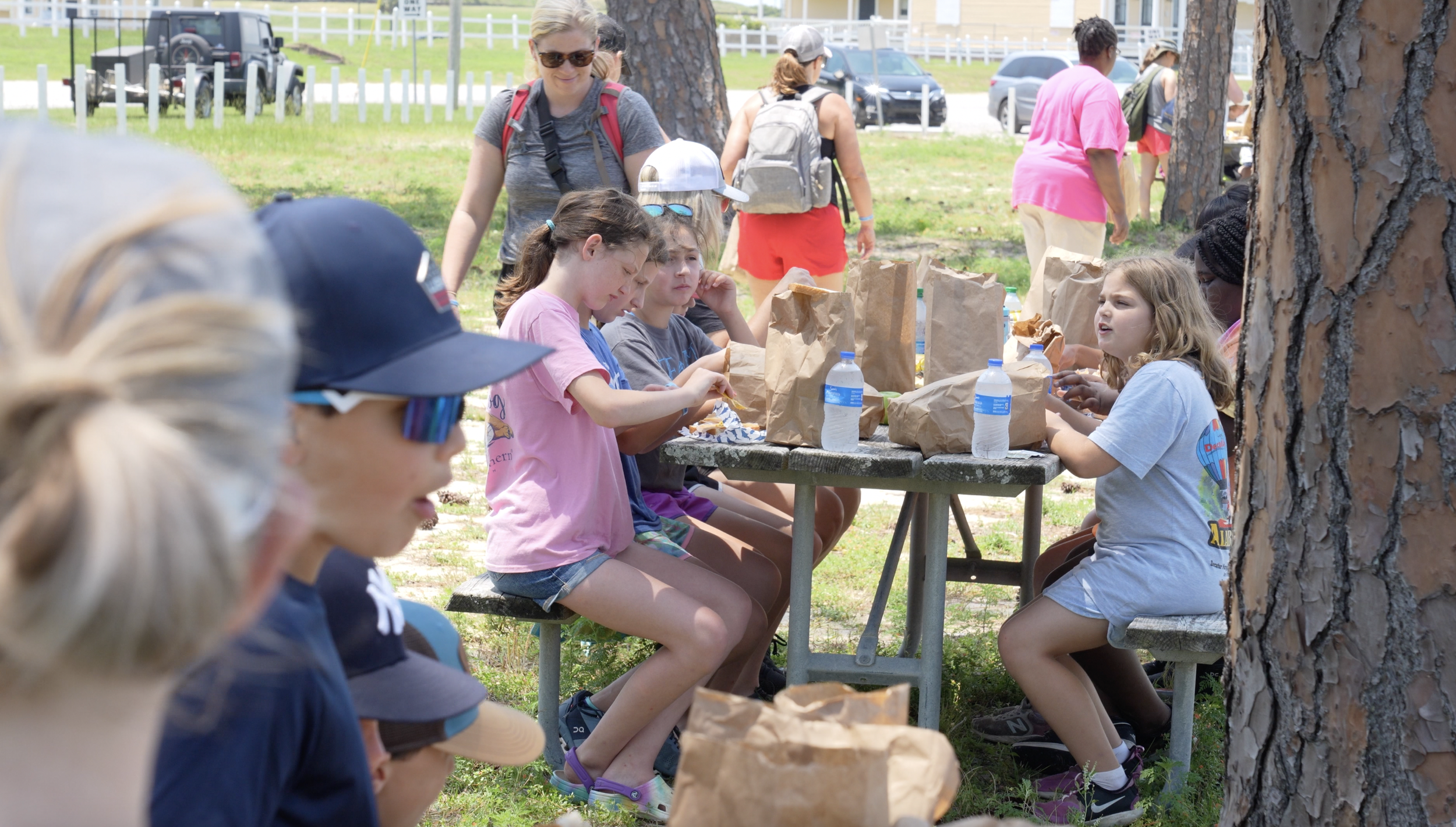
Our commercial kitchen saves your budget. Feeding a large group at restaurants adds up fast, and it eats into time you could spend learning. Our fully equipped commercial kitchen lets your group prepare meals together on-site. Groups regularly feed 80+ people for a fraction of what restaurant dining would cost. Cooking together also turns mealtime into another opportunity for teamwork and connection.
Everything is on-site, so you stay focused. Between our meeting spaces, private pool, sand volleyball and basketball courts, and direct beach access, your group never has to leave the property unless it's time for a scheduled excursion. That means:
No time wasted driving between a hotel, a restaurant, and your field trip site
Flexible scheduling for group discussions, lesson reviews, and reflection time
Built-in downtime activities that keep students engaged without extra planning
A home base that's steps from the beach, not miles away
For teachers and trip coordinators, that simplicity matters. When the logistics are handled, you can actually focus on the reason you planned the trip in the first place: giving your students an experience they'll remember.
How to Book Your Gulf Coast Field Trip
Planning a field trip to Alabama's Gulf Coast is simpler than you might expect when you know who to call.
Book your educational programming through our partner, Gulf Coast Explorers. They'll work with you to choose explorations that match your grade level, curriculum goals, and schedule. Fill out their Field Trip Interest Form or call them at 251-752-2784.
Reserve your group's exclusive lodging with us at Gulf Shores Beach Retreat. We understand the unique needs of school groups because we've been hosting them for years, and our team will help you plan every detail.
The best field trips don't just teach students something new. They give them a shared experience that brings the whole group closer together. When your students are learning on the beach in the morning and laughing together over dinner they helped cook that evening, that's the kind of trip they'll talk about for years.