
How to Get Your Church Board to Say Yes to a Youth Retreat
You know your students need this retreat. You've watched the kids who came back from last year's trip walk into youth group with a different posture, a different depth, a different willingness to lead. You've prayed about where to take them. You've already got half the parent volunteers on board.
Then you submit the proposal to the elder board or the budget committee, and the questions start.
How much is this going to cost the church? How do we know the kids will be safe? What's the liability if something happens? Couldn't we do something local for half the price? What's our ministry ROI here?
You walk out of that meeting not with a no, exactly, but with a list of follow-ups that could take months to answer and an approval timeline that puts your retreat at risk.
“The good news: the board isn’t trying to kill your retreat. They’re trying to do their job. When you bring them the answers they actually need, they want to say yes.”
We've watched hundreds of youth pastors stand in that exact hallway after that exact meeting. The good news: the board isn't trying to kill your retreat. They're trying to do their job. When you bring them the answers they actually need, they want to say yes.
Here's how to give them what they need.
Understand What Your Board Is Really Asking
Most "no" responses from a church board aren't actually about the retreat. They're about risk, stewardship, and accountability. When you hear objections, translate them.
"How much will it cost?" usually means: Can we justify this expense to the congregation?
"How do we know it'll be safe?" usually means: If something happens, have we done our due diligence?
"What's the ministry value?" usually means: Is this a real discipleship investment or is it youth group tourism?
"Can't we do something local?" usually means: We don't yet see why distance matters for this experience.
When you prepare your pitch to answer those deeper questions, the conversation changes completely.
Build a Pitch the Board Can Say Yes To
A youth retreat proposal that gets a quick approval has three things: a clear ministry goal, a defensible budget, and airtight answers on safety and supervision. Here's how to put those together.
Lead With Ministry Outcomes, Not Activities
Boards fund discipleship, not beach trips. Open your pitch with the spiritual goal of the retreat and the specific ways the weekend will deliver on it.
Name the theme and the biblical foundation you're building around
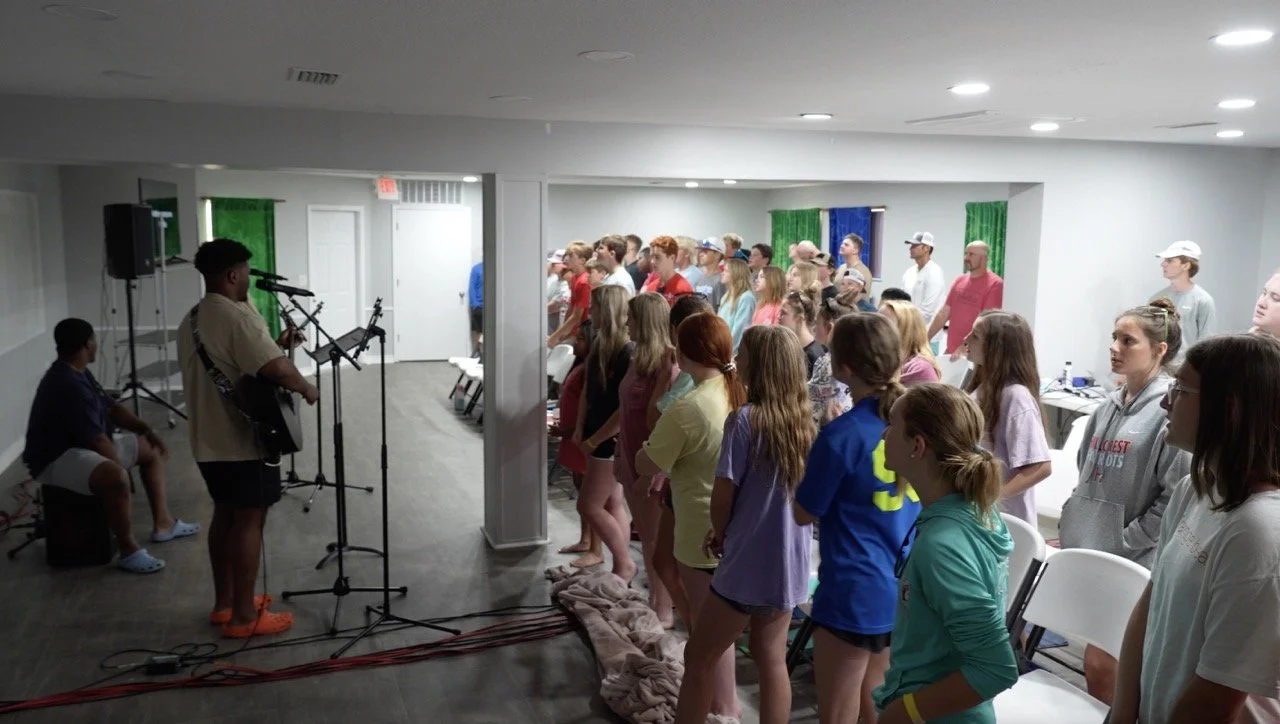
List the teaching sessions, worship gatherings, and small group rhythms you're planning
Describe what spiritual growth looks like for your students by Sunday night
Connect this retreat to your broader discipleship plan for the year, not just a standalone event
When the board hears "we're building on the Romans 12 series we've been teaching all spring," they hear a ministry strategy, not a vacation.
Bring a Real Budget, Not an Estimate
A budget range is where approvals go to die. Walk in with a line-item budget that shows you've thought through every dollar.
Lodging cost per student, with the total transparent
Food budget based on group cooking, not restaurant meals
Transportation, including fuel, driver logistics, and any charter costs
Program materials, worship resources, and supplies
A contingency line for emergencies
A summary of what students and families will pay versus what the church is being asked to contribute
Show the board exactly where the money goes and what it buys. When the numbers are clear, the decision is easy.
Answer the Safety Question Before They Ask It
Safety is where most youth retreat proposals get stuck. Most boards are comfortable with the trip once they know the supervision, the environment, and the emergency plan are solid.
Bring these answers into the room.
Who is chaperoning and what's the adult-to-student ratio
What medical and permission forms you'll collect from parents
What the emergency contact chain is and who handles calls home
What the overnight supervision plan looks like
What the physical environment is, specifically
That last point is where the venue choice matters most. A retreat at a location with exclusive group access like ours is significantly easier to defend than one at a public hotel or resort where your students share hallways with strangers.
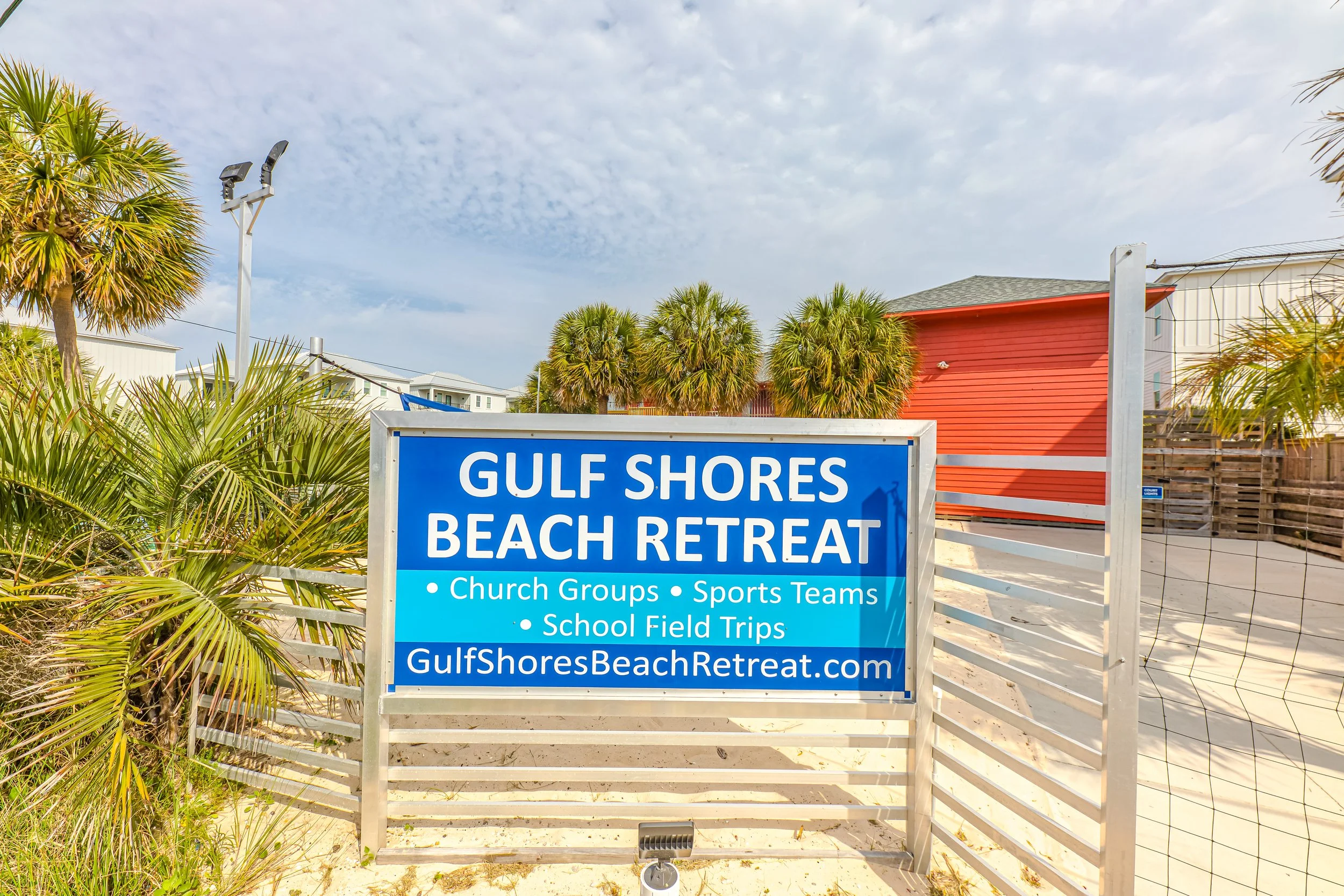
Why Gulf Shores Beach Retreat Makes Board Approval Easier
This is where a lot of youth pastors get a nod from the board instead of a follow-up meeting. The features your elder team cares about most are already built into our facility.
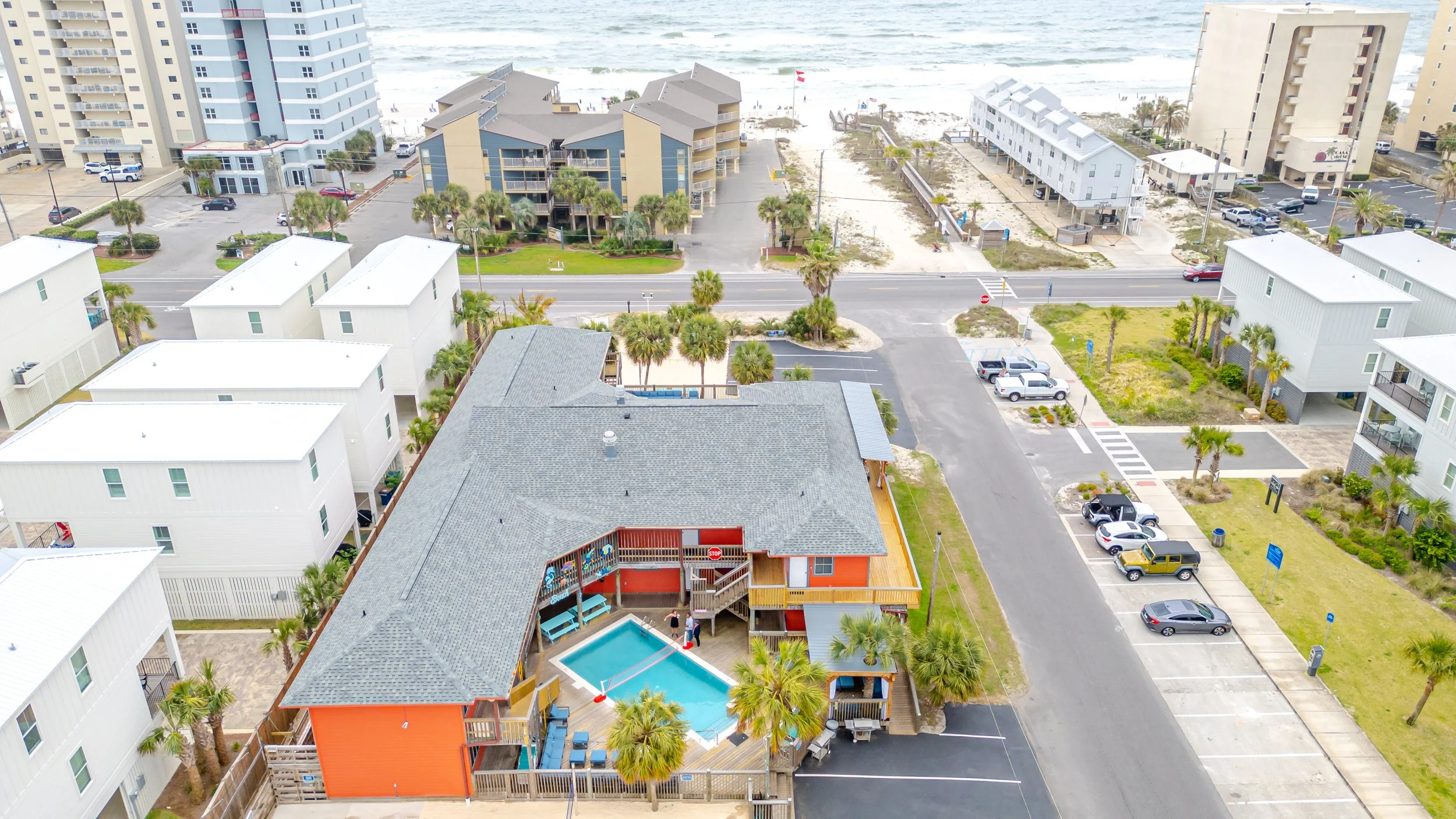
Exclusive Group Access: Your group occupies one entire side of our resort. No other guests. No shared hallways. No strangers near your students. When a board member asks "who else is going to be there," you have a clean answer.
Controlled Environment: Lodging, dining, meeting space, worship space, pool, and beach access are all on one secure site. Your chaperones can account for every student at any moment.
Transparent Pricing: What your resort proposal says is what your church pays. No surprise fees, no added-on amenities, no pricing surprises to report back to the board after the trip.
Commercial Kitchen for Group Meals: A fully-equipped commercial kitchen lets your team prepare meals together at a fraction of restaurant costs. Board members who care about stewardship notice that line item immediately.
Dedicated Worship and Teaching Spaces: Your teaching sessions, worship gatherings, and small group times happen in spaces built for that purpose, not a shared hotel conference room.
Experienced Group Retreat Specialists: Our team has walked hundreds of youth groups through retreat planning. We can answer the specific questions your board is likely to raise before you even pitch.
When a youth pastor can walk in with a one-page summary that reads "exclusive facility, controlled environment, commercial kitchen for group meals, on-site worship space, transparent pricing, clear emergency protocols," the board's decision gets easier.
A Simple Pitch Framework You Can Use Now
When you walk into your next board meeting, structure your pitch this way.
The spiritual goal: one sentence, one biblical anchor, one ministry outcome.
The program: teaching sessions, worship, small groups, and the rhythm of the weekend.
The budget: total cost, per-student cost, church contribution, family contribution.
The safety plan: chaperones, ratios, environment, emergency protocols.
The venue: why it works for your goal and how it addresses the board's concerns.
The ask: a clear decision you need from them, by a clear date.
A board that sees a thought-through plan answers with a decision, not another round of follow-ups.
Let's help you walk into your next board meeting ready for every question they'll ask.