Marine Science Field Trips by Grade Level: A Gulf Shores Beach Retreat Guide for Teachers
You're looking at a program list with more than a dozen options on it and no clear way to tell which ones are pitched at your students. A fifth-grade teacher and a tenth-grade teacher see the same list.
Pick wrong and you find out on the trip. The activity that has third graders crowding in for a closer look is the one a high school class stands through with their arms folded.
Gulf Coast Explorers handles all of the educational programming for these trips. Their team builds field trips for grades 3 through 12, designed against Alabama State Standards and NGSS, and the program was founded by a former teacher, which shows up in how carefully the explorations are pitched by age. Gulf Shores Beach Retreat hosts the groups who come for them.
This guide sorts their explorations by grade so you can walk into a planning meeting already knowing which ones fit your students.

Grades 3 Through 5: First Contact with Coastal Science
Younger students need the science in their hands within the first ten minutes. The explorations built for this age group trade lecture time for sorting, digging, and looking closely at things they've only seen in a book:
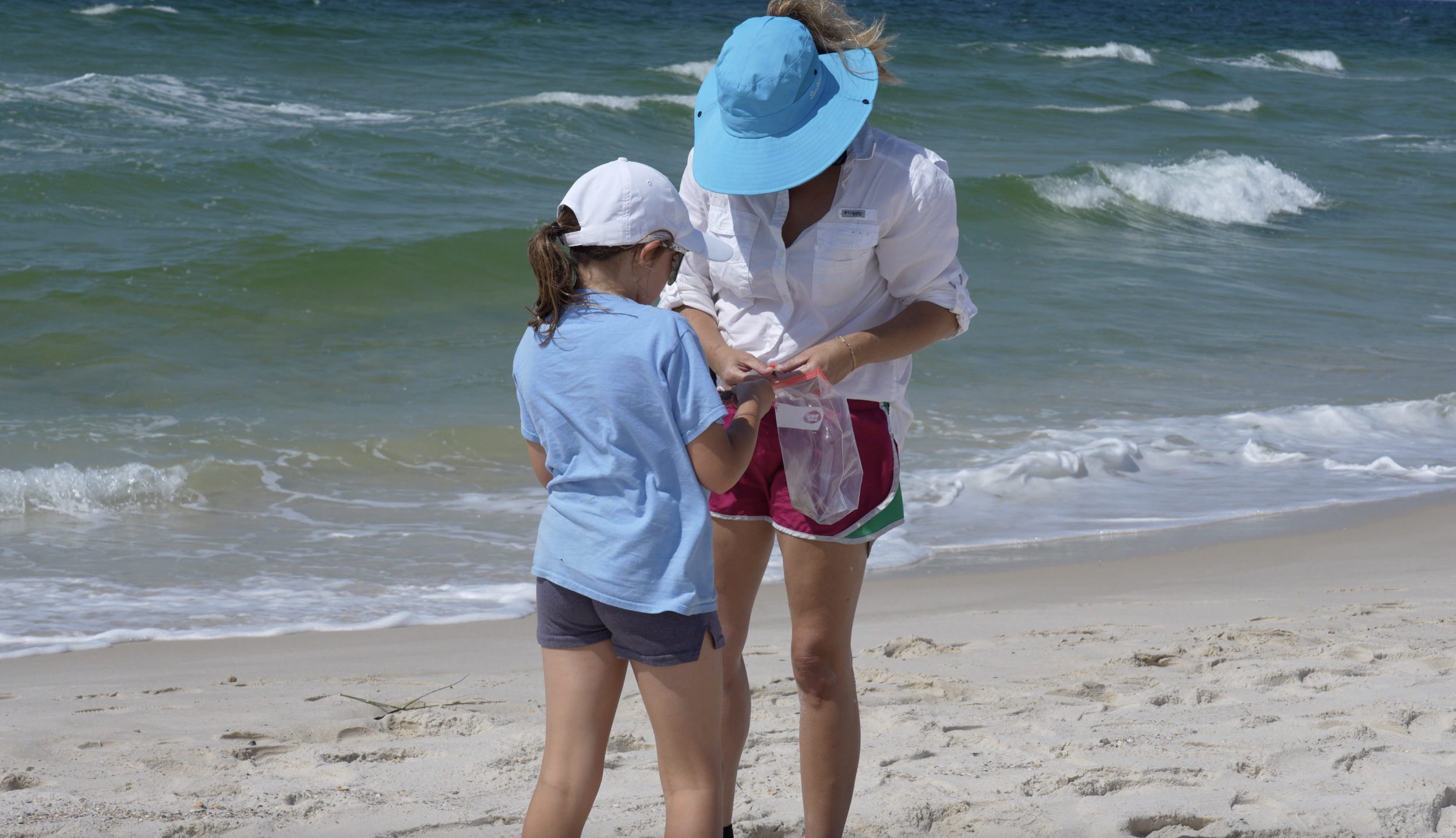
Beachcomber's Lab: Students collect and identify what the tide leaves behind, which connects directly to classroom work on classification, habitats, and careful observation.
Sea Turtle Nest Demo: A close look at nesting and hatching that anchors life cycles and animal adaptations in something students can stand next to.
Sandcastle University: Building, testing, and rebuilding against the water, which is engineering design taught by the Gulf.
Elementary groups also do well with a shorter program day and a longer afternoon back at the retreat. The learning holds better when nobody's overheated by two o'clock.
Grades 6 Through 8: Collecting Data and Testing It
“This is where a program day tends to change the classroom dynamic. The student who never volunteers an answer is the one holding the net.”
Middle schoolers are ready to gather their own data and argue about what it means. These explorations put real equipment in their hands:
Lagoon Specimen Collection: Students work seine nets, then sort, count, and identify the catch. It supports units on biodiversity, food webs, and sampling as a method.
Waves and Currents: Hands-on experiments with energy, motion, and how a coastline moves, which pairs with physical science and erosion units.
GPS Exploration: Coordinates, mapping, and spatial reasoning applied across real terrain.
Coastal Conservation and Restoration: Human impact on an ecosystem, studied on a shoreline that's actively changing.
This is where a program day tends to change the classroom dynamic. The student who never volunteers an answer is the one holding the net.
Grades 9 Through 12: Fieldwork That Looks Like the Real Thing
High school students can handle a full research day, and they benefit most from meeting adults doing the work. Gulf Coast Explorers staffs its programs with historians, conservationists, oyster farmers, and naturalists, among others:
Mariculture in Action at the Claude Peteet Mariculture Center: Aquaculture and fisheries management at an operating facility, which supports applied biology and gives students a look at coastal science as a career.
Marsh Mysteries at Bon Secour: Salinity, water quality, and the services a marsh performs for everything around it. A strong fit for environmental science, including AP-level coursework.
Dolphin Cruises: Marine mammal behavior and observation protocol, useful for older students practicing structured field notes.
Where Your Group Stays Between Program Days
Students come back from a program day sandy, tired, and still discussing what they pulled out of the lagoon.
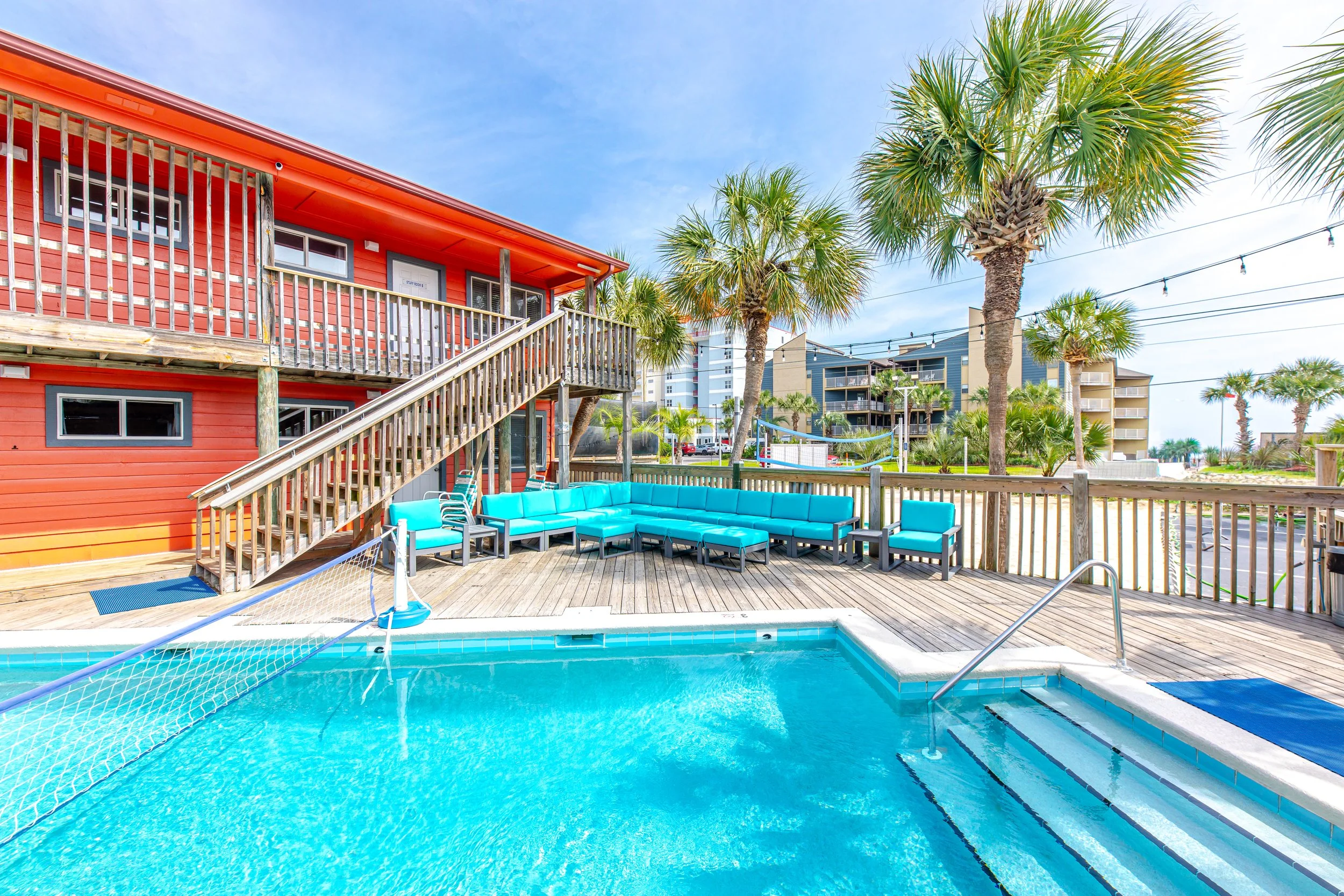
Your school has exclusive use of one full side of our resort for the length of the stay: bunk-style rooms, gathering areas, a private pool, sand volleyball, basketball goals, and boardwalk access to the beach. No other group moves through any of it, so your teachers and chaperones know where every student is without managing a shared lobby.
“A class that spent the morning collecting specimens can spread its field notes across a table, sort samples, and leave the whole setup out overnight.”
That exclusivity earns its keep on an educational trip. A class that spent the morning collecting specimens can spread its field notes across a table, sort samples, and leave the whole setup out overnight. Nobody's asking them to clear the room for the next group.
Meals during a Gulf Coast Explorers program stay are handled by their team. You choose your menu items ahead of time and tell them about allergies and dietary needs, and your students eat on site on a schedule built around the program day.
The Gathering Spaces Are Yours in the Evening
Use one for a reflection session, a chaperone debrief, a review of the day's data, or nothing structured at all. Nothing needs reserving, since your group has the side to itself.
Start With Gulf Coast Explorers
If your class is heading to the Alabama coast, the Gulf Coast Explorers team is the right first call. Tell them your grade level and what you're teaching this year, and they'll confirm which explorations fit and shape the program days around it. Reach them through their Field Trip Interest Form or at 251-752-2784.
Once you have your dates, get in touch with us and we'll take it from there.