
Sports Team Nutrition: Feeding Your Athletes for Peak Performance
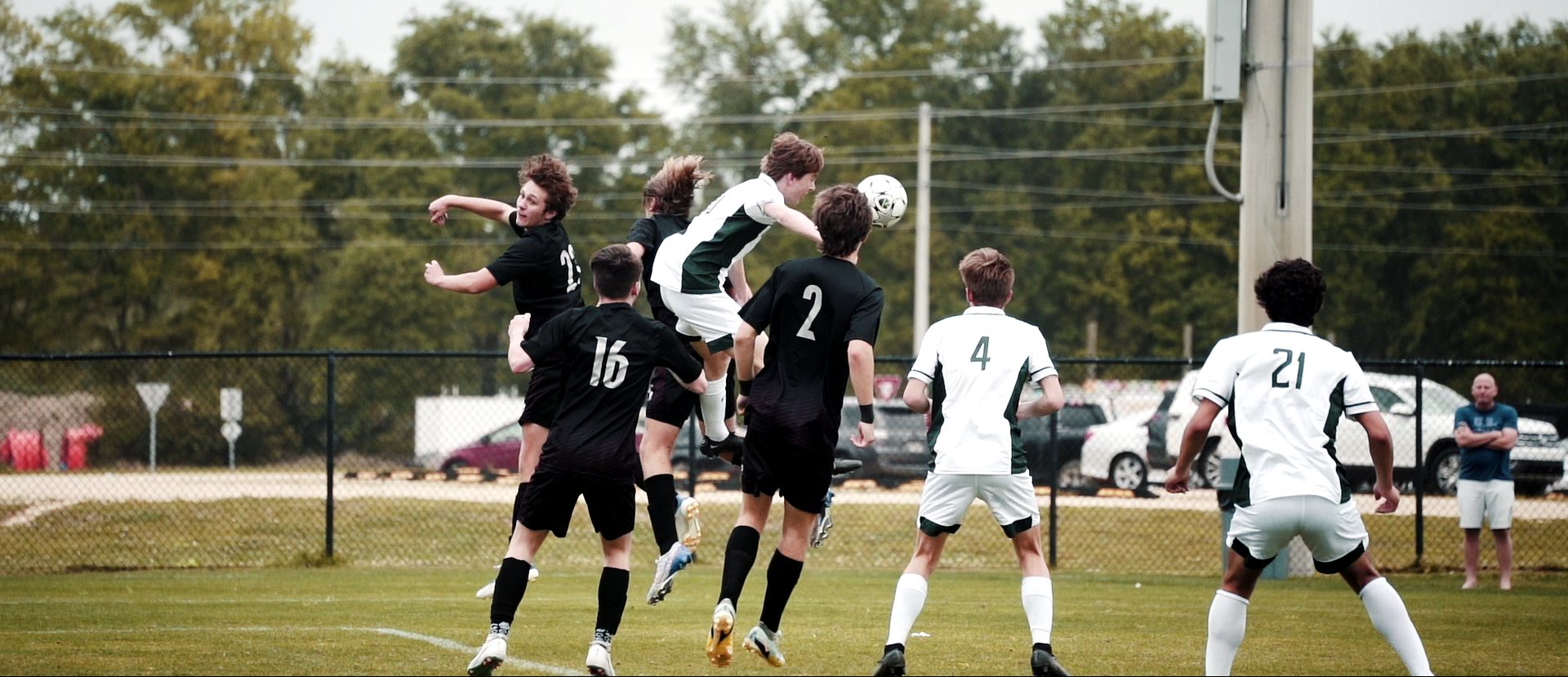
You spend the offseason building a program. You drill the mechanics, run the conditioning, watch the film, and shape the mindset. Then a tournament weekend rolls around, and the most important variable for how your athletes perform on Saturday afternoon is whether the hotel breakfast opens before the 8 a.m. first pitch.
Most coaches inherit a tournament food plan that was never really planned. The roster eats whatever the hotel puts out at 7. Lunch happens between games at the closest drive-thru. Dinner is a sit-down restaurant with twenty-five hungry athletes, six parent vehicles, and a ninety-minute wait.
By Sunday, half the team is running on a granola bar and the other half is asking why their legs feel heavy.
You didn't plan for any of that to be the variable that decides how the season ends. On most travel weekends, though, it is.
We've hosted many groups at our retreat, and the sports teams that play their best over a long weekend share one thing: they treat nutrition like part of the strategy.
“That’s hard to do at a hotel. It’s almost impossible at a vacation rental that wasn’t built for groups. But it’s exactly what our retreat is built for.”
That's hard to do at a hotel. It's almost impossible at a vacation rental that wasn't built for groups. But it's exactly what our retreat is built for.
Tournament Nutrition Decides How Athletes Play

A tournament isn't one game. It's three or four games over twelve hours, sometimes across two days, often back-to-back with thirty-minute turnarounds. Athletic performance over that kind of stretch lives or dies on what your players ate that morning, what they sipped between innings, and what they recovered with after the last out.
Sports dietitians and athletic trainers generally advise that pre-game meals need to land two to three hours before first pitch with the right balance of carbs, protein, and fluids. Between games is a hydration and quick-fuel window, not a chance to grab something fried. Recovery starts within an hour of the final game with real food, not vending-machine snacks. Sleep nutrition matters too: a heavy late dinner on Saturday is a slow start on Sunday morning.
That timeline is straightforward on paper, but it falls apart fast when your team is staying somewhere that wasn't designed to feed athletes.
Where Travel Nutrition Usually Falls Apart
Hotel continental breakfasts aren't usually open before 6:30 or 7, plus sugary pastries, juice, and cold cereal aren’t the ideal fuel for a 9 a.m. game. By the time you're in the car at 7:15, the bagels are gone and the coffee carafe is empty.
Restaurants struggle with a roster of forty arriving at once. The host quotes a forty-five-minute wait. Half the players order off-plan because the menu is overwhelming. Coaches end up running parents to a separate table to keep checks straight. Dinner that should have been forty-five minutes turns into two hours of the night.
Vacation rentals look promising until you see the kitchen. A single oven, a four-burner range, a residential refrigerator that holds about a third of what you need for sixty people, and not enough counter space to butter toast for the whole team at once. The kitchen wasn't built to feed an athletic roster, and the math shows up by Saturday afternoon.
That leaves drive-thrus and gas-station snacks, which is exactly the food your athletes shouldn't be carrying into the next game.
A Real Commercial Kitchen, Built for Feeding Teams
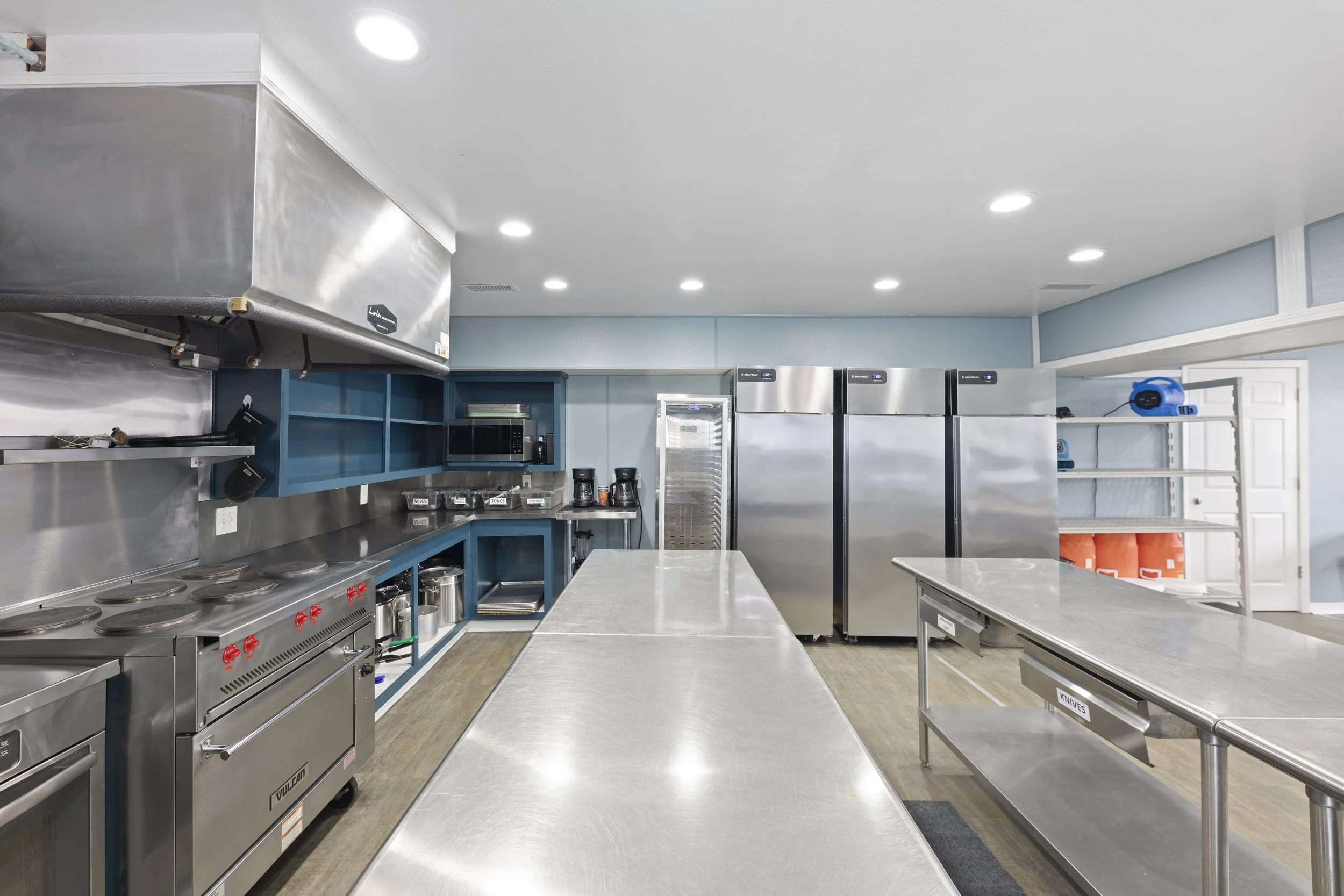
When your team books with us, you get exclusive access to one entire side of our resort, and that side comes with a fully-equipped commercial kitchen designed for groups your size. It's a real commercial space with the equipment, refrigeration, and prep room a sports roster actually needs.
Here's what that looks like in practice:
Vulcan commercial range and oven: put hot pre-game breakfasts on plates for the whole roster at once, not in shifts.
Delfield commercial refrigerators and a dedicated freezer: hold a full weekend of groceries without your team parents shopping mid-tournament.
Commercial warming cabinets: keep that food warm if the team is late on arriving after the game
Heavy-duty cookware: 28-quart roaster pans and 13x17 sheet pans for one-pass team meals.
Five-gallon coolers with spouts: load with water and electrolyte mix before bus call, refill from the bus between games.
Counter and prep space: room for two or three volunteers to work at the same time without bumping elbows.
If your group books the entire facility, you'll have access to a second commercial kitchen on the other side of the resort. Most travel teams rent one side, and that single kitchen handles a roster of sixty to eighty athletes without breaking a sweat.
What a Tournament Weekend's Nutrition Plan Actually Looks Like
Imagine this:
Saturday morning, your team parents start the coffee and pull pre-prepped breakfast burritos out of the refrigerator at 5:45. The roster sits down to eggs, oatmeal, and fruit at 6:15. Coolers are loaded with water and electrolyte mix by 6:45. The bus rolls at 7:00 with athletes who ate nutrient-dense food.
Between games, real food rides in the cooler. Fruit, sandwiches, yogurt and granola, cheese sticks, the kind of fuel athletic trainers actually approve of, ready to go without anyone running to a gas station.
“Saturday night, dinner is a sit-down team meal at our retreat. One menu, one prep crew, one long table.”
Saturday night, dinner is a sit-down team meal at our retreat. One menu, one prep crew, one long table. The whole roster eats the same balanced plate at the same time, with no parent-vehicle reshuffle to a restaurant. Recovery snacks go out within the hour.
Sunday morning the kitchen does it again. Healthy breakfast, fast turnaround, and your team is ready for the games.
That kind of plan needs a real kitchen and a facility designed for it. A hotel won't get you there.

Eat Together, Play Together, Win Together
There's a benefit beyond performance.
“Athletes who eat together, recover together, and sit at the same long table at the end of a long day stop being a roster and start being a team.”
Athletes who eat together, recover together, and sit at the same long table at the end of a long day stop being a roster and start being a team.
We've watched it happen across many weekends. The shortstop who barely talks to the right fielder in the dugout ends up cooking pasta with him on Saturday night. The pitcher who lost on Friday gets pulled into the kitchen on Saturday morning and reframes the loss over scrambled eggs. The freshmen who feel out of place at first get folded into a team meal and stop feeling like guests.
Hotels can't give you that. Restaurants split your team into vehicles before the food even arrives. Our retreat puts the whole roster around one table, three meals a day, for the length of the weekend.
One Less Variable to Manage
Tournament coaches already have enough logistical fires to fight. Our retreat specialists can walk your team parents through meal planning before you arrive, share equipment specs so they shop accurately, and coordinate kitchen scheduling so prep windows don't overlap.
You arrive with a grocery list, a prep plan, and a kitchen that's already set up for the way your team eats. We handle the retreat side. You handle the field.
Ready to Stop Improvising on Tournament Nutrition?
Your athletes already train hard, lift hard, and play hard. The food they eat over a long tournament weekend should match that effort. Let's plan a tournament stay where the nutrition plan is part of the strategy, not the surprise that derails it.